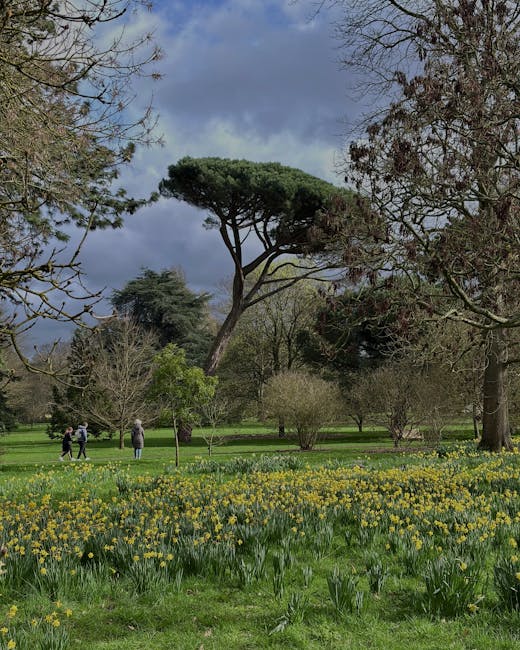
Kew Gardens nearby garden maintenance planners in Richmond
If you are looking for Kew Gardens nearby garden maintenance planners in Richmond, you are probably trying to solve a very ordinary but very real problem: how to keep a garden looking calm, healthy, and under control without spending every weekend fighting weeds, clipped hedges, and patchy lawn edges. Around Kew and the wider Richmond area, gardens can be compact, mature, and surprisingly demanding. One windy week, a mild spell of rain, and suddenly everything looks a bit overgrown. Sound familiar?
This guide breaks down what garden maintenance planning actually means, how it works in a local Richmond setting, and how to choose the right approach for your space. It also explains the benefits, common mistakes, and practical steps that make the whole thing easier. If you want a reliable starting point, you can also explore garden maintenance support and the broader services overview to see how regular care fits together.
Truth be told, a good garden plan is less about perfection and more about rhythm. Once that rhythm is in place, the garden starts to behave itself a bit. Not always, of course - plants still do what plants do - but the difference is noticeable.
Why Kew Gardens nearby garden maintenance planners in Richmond Matters
Gardens around Kew Gardens and Richmond often sit in that sweet spot between leafy beauty and genuine maintenance pressure. Trees cast shade. Soil can stay damp in one corner and dry out in another. Borders get crowded. And if your property is near busy roads, footpaths, or shared boundaries, the garden can start to feel a little more public than private. That is where planning becomes valuable.
A maintenance planner gives structure to tasks that would otherwise happen whenever someone remembers them. Instead of reactive gardening - trimming only when the hedge blocks the light, mowing only when the lawn looks tired, clearing only when the shed is full - you work to a simple seasonal rhythm. It saves time, yes, but it also protects the garden from avoidable stress.
In practical terms, good planning helps you:
- keep growth under control before it becomes hard work
- spot problems early, such as bare patches, pests, or waterlogging
- schedule jobs in the right order rather than randomly
- avoid damaging plants with the wrong timing or too much cutting
- keep outdoor areas safer and tidier for family, visitors, or customers
In a neighbourhood like Richmond, appearance also matters more than people sometimes admit. A neat front garden or well-kept boundary gives a better first impression straight away. It is not vanity; it is stewardship. And honestly, that matters when the garden is the first thing you see from the kitchen window on a grey Tuesday morning.
How Kew Gardens nearby garden maintenance planners in Richmond Works
The word "planner" can sound more complicated than it is. In most cases, it simply means mapping out recurring work across the year so the garden gets the right attention at the right time. For example, mowing, hedge trimming, bed clearing, pruning, and seasonal tidying do not all happen at once. They each have their own rhythm.
A well-structured maintenance plan normally starts with an assessment of the space. That includes the size of the garden, the planting style, how much sun or shade it gets, whether there are lawn areas, and how much the owner wants to do themselves. A small courtyard with pots and a few shrubs needs a different rhythm from a mature family garden with a lawn, mixed borders, and trees.
Once that picture is clear, the plan usually becomes a set of repeatable actions. For example:
- weekly or fortnightly lawn care during the growing season
- regular hedge shaping to keep boundaries tidy
- periodic clearance of leaves, weeds, and fallen material
- seasonal pruning and cutback work
- occasional checks on trees, drainage, and hard landscaping
Some households want a full-service approach, where everything is handled as part of a regular visit. Others prefer a lighter plan that covers the heavy jobs while they manage the rest. Both can work. The trick is matching the plan to the actual use of the garden, not the ideal version you imagined in spring when everything was looking cheerful and, well, slightly optimistic.
If you are comparing service types, it may help to look at lawn mowing, hedge trimming, and garden clearance as distinct parts of the bigger maintenance picture.
Key Benefits and Practical Advantages
The biggest benefit is obvious: the garden stays under control. But the real value runs a bit deeper than that.
1. Better garden health
Plants generally do better when work is done at the right time and in manageable amounts. A planner helps avoid the all-too-common pattern of doing too much, too late. That matters for lawns, shrubs, hedges, and even trees.
2. Lower long-term effort
Regular maintenance usually prevents the kind of build-up that makes a garden feel overwhelming. A monthly tidy often takes far less time than one dramatic "everything must go" weekend. You know the type. Very satisfying, very exhausting.
3. Improved presentation
A tidy border, edged lawn, and well-kept hedge can transform the whole feel of a property. This is especially useful if you rent out a home, host guests often, or simply want the outside to match the care you put into the inside.
4. Safer outdoor spaces
Loose debris, overgrown paths, and hidden trip hazards are easier to spot when the garden is being maintained on a schedule. That is particularly relevant in shaded areas, where moss and damp can creep in quietly.
5. Better budgeting and fewer surprises
Maintenance planning helps you spread work across the year. Instead of dealing with a sudden mess after a season of neglect, you can plan ahead and make calmer decisions. It feels better, too.
Expert summary: The best garden maintenance plans are simple, seasonal, and flexible. They are not about chasing an immaculate show-garden look every week. They are about keeping the garden healthy, presentable, and easy to live with.
Who This Is For and When It Makes Sense
Not every garden needs the same level of attention. Some people love getting out there with secateurs and a mug of tea. Others would rather do almost anything else. Fair enough.
This kind of maintenance planning makes the most sense if you are:
- a homeowner with limited time but high standards
- a landlord who wants the outside of the property to stay presentable
- a busy family trying to keep a usable garden without constant weekend catch-up
- a retiree who wants reliable help with heavier or repetitive work
- someone with mature planting that needs more thoughtful care
- an owner of a garden near Kew Gardens where neat boundaries and regular upkeep matter visually
It also makes sense when the garden has become uneven. Maybe the lawn is fine but the hedges are running away. Maybe the beds are tidy but the path is slippery with leaf fall. Or maybe the whole place is basically okay - just not quite managed. That is a very common point to start from.
If you want the garden to recover rather than merely survive, a structured plan is usually the smarter route. You can then add specialist services only where they are needed, such as tree lopping and removal for larger woody growth or landscaping where the layout itself needs improving.
Step-by-Step Guidance
Here is a practical way to think about the process. Nothing too fussy. Just a sensible sequence that helps avoid missed jobs and wasted effort.
- Walk the garden properly. Start by looking at it in sections: lawn, borders, hedges, trees, hard surfaces, and any shaded or awkward corners. Note where things collect or overgrow first.
- Decide what must happen regularly. For most gardens, this means mowing, edging, weeding, and light tidying. If your hedge grows quickly, it may need more frequent attention than you expected.
- Separate routine care from occasional jobs. Routine care keeps the space in shape. Occasional jobs include clearance, pruning, or small restoration work. Mixing them together is how plans become chaotic.
- Match tasks to the season. Growth, rainfall, leaf fall, and frost all affect what makes sense. Spring and early summer are usually busier for active growth. Autumn leans more toward clearing and preparation.
- Set a realistic frequency. Weekly, fortnightly, monthly, or seasonal? The answer depends on growth speed and how visible the garden is. A tiny front plot by the road may need more frequent attention than a private back garden.
- Check whether any work needs specialist handling. Tree work, structural landscaping, and deck-related maintenance often sit outside normal tidying. It is better to recognise that early than to bodge it.
- Review after a few visits. The first version of a plan is rarely perfect. Adjust it after a month or two. That is normal, actually useful.
A simple notebook, phone notes app, or calendar can work fine. You do not need an elaborate system. What you need is consistency. A garden prefers that, even if we do not always.
Expert Tips for Better Results
From a practical gardening point of view, a few habits make a huge difference.
Work with growth patterns, not against them. Cutting hedges and mowing lawns on a sensible rhythm is much easier than trying to rescue them after a long gap. Regularity trims effort as much as it trims plants.
Pay attention to edges. Garden edges - along paths, fences, patios, and borders - are often what make a space look finished. A neat edge can make a half-hour job feel like a proper transformation.
Do the small tasks early. Pulling weeds while they are tiny is nearly always easier than clearing a long-established patch. Same with fallen leaves. Leave them too long and they stick, mat down, and become slippery.
Keep one eye on drainage and shade. Richmond gardens often include shaded strips where moss lingers or damp holds on. Those areas can need gentler treatment, not more force.
Build in seasonal resets. A proper cut-back or clearance at the right time can give the whole space a fresh start. This is where a bit of planning pays off, because the garden stops feeling like a series of random fixes.
Use trusted support for the bigger jobs. For example, if the work includes hard surfacing, reworking levels, or refreshing tired outdoor spaces, it may be worth comparing landscape gardening and decking services alongside routine care.
One small but useful tip: take photos before and after each season. Not for vanity. Just to see where the plan is working and where it is drifting. It helps more than people expect.
Common Mistakes to Avoid
Most garden maintenance problems come from a few predictable mistakes. The good news? They are avoidable.
- Waiting until everything looks urgent. Once the garden is overgrown, every job becomes slower and more expensive in effort.
- Using the same plan all year. Summer growth and winter tidying are not the same thing. The garden will not thank you for pretending otherwise.
- Ignoring small warning signs. Bare patches, leaning stems, broken ties, and pooling water all tend to grow into bigger issues if left alone.
- Cutting too hard, too often. Some plants tolerate this; many do not. Overcutting can stress hedges and shrubs and make them look thin or patchy.
- Mixing up clearance and maintenance. Garden clearance is about getting control back. Maintenance is about keeping control. Different jobs, different mindset.
- Forgetting access and waste handling. Cuttings, branches, and general debris need somewhere to go. That sounds obvious, but it is often missed until the pile is already there.
Another common one is underestimating how quickly a garden rebounds after rain and warmth. One week it looks fine; the next it looks slightly wild. Nature can be very rude about that.
Tools, Resources and Recommendations
You do not need every shiny tool in the shed. In fact, too many tools can become a hobby in themselves. A straightforward setup usually works best.
Useful basics for planning and upkeep:
- a calendar or recurring reminder system for seasonal tasks
- basic gloves, secateurs, and hand tools for small jobs
- a rake and leaf sacks or bins for clean-up work
- hedge tools and mower equipment appropriate to the size of the garden
- simple notes on what was done and what needs attention next
Helpful service categories to compare:
- lawn mowing for regular turf care
- hedge trimming for neat boundaries and controlled growth
- garden clearance when a space needs a proper reset
- tree lopping and removal where larger growth creates safety or shade issues
- recycling and sustainability if you want waste handled thoughtfully
If you are trying to compare service levels or get a clearer sense of what is included, the pricing and quotes page can help frame expectations without guessing. That matters. Nobody enjoys surprise costs, especially on a task that started as "just a bit of tidying."
Law, Compliance, Standards, or Best Practice
For most domestic garden maintenance, the key issue is not heavy regulation; it is good practice, safety, and sensible handling of work. That said, there are still important standards to keep in mind.
First, any tree work or significant pruning should be handled carefully. Trees can be protected in some circumstances, and the right approach depends on the tree, its condition, and the setting. If you are unsure, it is better to pause and get informed rather than to cut first and hope later. A rushed cut can cause harm that takes years to correct.
Second, waste handling should be responsible. Branches, clippings, and cleared material should be removed, sorted, and disposed of properly. If sustainability matters to you, ask how green waste is handled and whether the approach is aligned with the service provider's stated recycling practices. The aim is not perfection. It is sensible stewardship.
Third, any company working on your property should be clear about safety and working practices. For peace of mind, it is reasonable to review pages such as health and safety policy and insurance and safety. That kind of transparency is a good sign, full stop.
Finally, if you are using a service provider, make sure you understand terms, payment arrangements, and what happens if plans change. The small print is not exciting, but it prevents awkwardness later. You can usually find useful details in terms and conditions and payment and security.
Options, Methods, or Comparison Table
Different gardens need different maintenance methods. Here is a simple comparison that may help you decide what level of support makes sense.
| Approach | Best for | Pros | Limits |
|---|---|---|---|
| Self-managed routine care | Smaller gardens, confident DIY owners | Flexible, hands-on, often cheaper in cash terms | Easy to fall behind, especially in busy seasons |
| Scheduled maintenance visits | Busy households, rental homes, front gardens | Regular, predictable, keeps the garden consistently tidy | May not cover larger repairs or redesign work |
| Clearance plus maintenance | Overgrown or recently neglected gardens | Fast reset, then steady control | Usually more intensive at the start |
| Maintenance with landscaping support | Gardens that need both care and layout improvements | Long-term improvement, better flow, better use of space | More planning involved |
For many Richmond properties, the best answer is a combination. A one-off tidy is rarely enough on its own, but a maintenance plan without an initial reset can also feel frustrating. Start where the garden actually is, not where you wish it was.
Case Study or Real-World Example
Imagine a mid-sized garden near Kew with a lawn, two hedges, a narrow side return, and a border that gets little winter sun. It looks fine in April. By June, the hedge has softened its shape, the lawn edges have slipped, and the side return is collecting leaves and a bit of moss. Nothing dramatic. Just the usual slow drift.
The owner decides not to do a full redesign. Instead, they set up a maintenance plan: lawn work every couple of weeks in the growing season, hedge trimming at agreed intervals, a clear-out of the side return after heavy leaf fall, and seasonal checks on the borders. The first visit takes longer because there is some catch-up work. After that, things settle down.
By late summer, the space still feels like a lived-in garden - not a showroom, just tidy, healthy, and pleasant to use. The difference is mostly in the rhythm. Nothing fancy. Just steady attention.
That is usually what works best in real life. Not a heroic one-off effort. A plan. A decent one. And then the willingness to keep it going.
Practical Checklist
Use this as a quick planning sheet before you arrange garden maintenance support or set up your own routine.
- Have you walked the whole garden, not just the visible bits?
- Do you know which tasks need weekly, monthly, or seasonal attention?
- Are there any overgrown hedges, awkward trees, or shaded problem areas?
- Does the lawn need regular mowing or a one-off reset first?
- Have you identified clearance work separately from ongoing maintenance?
- Do you need help with landscaping, decking, or just upkeep?
- Have you thought about waste removal and recycling?
- Are safety, insurance, and clear terms important for your decision?
- Have you set a realistic budget or requested a quote?
- Will you review the plan after the first few visits?
If you can tick most of those off, you are in a strong position. If not, that is fine too. Better to identify the gaps now than after the garden has turned a bit feral in early autumn.
Conclusion
Kew Gardens nearby garden maintenance planners in Richmond are really about bringing order, timing, and calm to outdoor spaces that are easy to admire but not always easy to maintain. A good plan keeps the garden healthier, safer, and more enjoyable to use. It also makes upkeep feel less like a constant nag and more like part of a normal routine.
Whether your garden needs light, regular care or a more structured combination of clearance, trimming, and seasonal work, the key is to start with what the space actually needs. Not the perfect version. The real one. Once you get that right, everything becomes more manageable - and a lot less stressful.
Get a free quote today and see how much you can save.
And if you are ready to take the next step, a clear conversation, a sensible plan, and a bit of patience can go a long way. Gardens do reward steady attention. They really do.
Frequently Asked Questions
What does a garden maintenance planner actually do?
A garden maintenance planner helps organise recurring tasks such as mowing, hedge trimming, weeding, seasonal tidy-ups, and occasional clearance. The point is to keep the garden on a workable schedule instead of letting jobs pile up.
Is this only for large gardens near Kew Gardens?
No. Smaller gardens often benefit just as much, sometimes more. Compact spaces can look untidy very quickly, so a simple plan can make a big visual difference.
How often should garden maintenance happen in Richmond?
It depends on the garden. Fast-growing lawns and hedges may need attention more often in spring and summer, while winter usually needs less frequent but still useful upkeep. A good plan should reflect the actual growth pattern of the space.
Do I need garden clearance before maintenance starts?
Sometimes, yes. If the garden is very overgrown or cluttered, a clearance first makes maintenance much more effective. Once the space is back under control, regular visits are easier to keep on track.
Can garden maintenance include hedges and lawns?
Yes, those are two of the most common maintenance tasks. Hedges and lawns often set the tone for the whole garden, so keeping them tidy has an outsized impact.
What if my garden needs more than maintenance?
If the layout is awkward, the paving is tired, or the space needs improvement rather than just care, then landscaping or landscape gardening may be the better route. Maintenance keeps things in shape; landscaping changes how the garden works.
How do I know whether I need tree work?
If trees are blocking too much light, causing safety concerns, dropping heavy debris, or simply becoming unmanageable, it may be worth looking at professional tree support. Any major tree work should be approached carefully and with proper judgement.
What should I ask before booking a service?
Ask what is included, how often visits would happen, whether waste is removed, how safety is managed, and how payment works. Clear answers at the start save time later.
Is regular maintenance cheaper than occasional big tidy-ups?
In many cases, regular maintenance is easier to budget for and can prevent larger jobs from building up. You may still need the occasional bigger visit, but routine care often reduces the scale of those jobs.
Can I combine maintenance with landscaping work?
Absolutely. In fact, that is often the smartest approach. A garden might need ongoing care alongside a few practical improvements, like better borders, smarter layouts, or refreshed hard landscaping.
What if I only need help a few times a year?
That can work too. Seasonal support is common, especially for people who manage most tasks themselves but want help at peak times such as spring growth or autumn leaf fall.
How do I get started with a maintenance plan?
Start by identifying the recurring jobs, the seasonal work, and any problem areas. Then request a quote, compare what is included, and build a plan that fits the garden's real needs rather than a perfect ideal. If you need a simpler next step, explore the main contact page for direct help and guidance.