Gardeners Richmond — Recycling and Sustainability
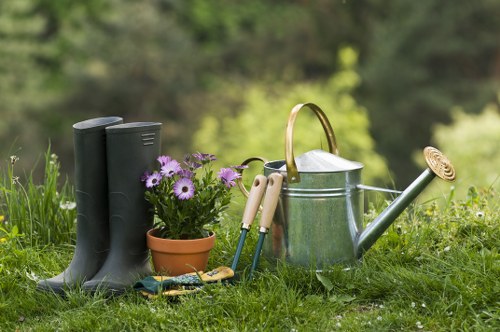 At Gardeners Richmond we place sustainability at the heart of every project. Our approach to an eco-friendly waste disposal area and a well-managed sustainable rubbish gardening area balances practical site work with ambitious environmental targets. We want clients and neighbours to see that professional gardening can be clean, circular and low-carbon. This page describes how we recycle, the partnerships we use to divert useful materials, and the transport choices that cut emissions.
Our immediate public commitment is a recycling percentage target: we aim to achieve 70% recycling and reuse of garden-derived materials by 2030. That target covers green waste, soil reuse, wood and branch recycling, and separation of inert and non-organic materials. We track diversion rates from landfill and report progress internally so that our crews and clients understand the measurable benefits of sustainable gardening and the importance of an efficient waste separation system at the source.
 We stage all site collections to feed local transfer stations and community recycling centres across the borough and neighbouring areas. We consolidate loads to reduce trips: green waste and biodegradable material goes to composting facilities; inert rubble and soil are taken to certified transfer stations or reprocessed for landscaping; and recoverable materials like metal fixtures and hard plastics are routed to specialist contractors. We coordinate with local borough schemes so our collection aligns with kerbside collections and civic recycling infrastructure.
Local transfer stations and borough recycling coordination
Gardeners Richmond works closely with the borough's approaches to waste separation: garden waste (green bins or sacks), food/biodegradables, dry mixed recycling and residual waste. Where possible we mirror these streams during site operations so materials are cleanly separated before they reach transfer points. Our crews tag loads, provide waste manifests for larger jobs, and prioritise delivery to licensed transfer stations and community recycling centres that accept garden and landscaping materials.
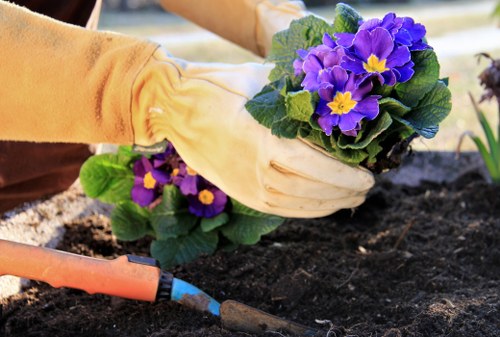
 We maintain partnerships with local charities and social enterprises to make the most of salvageable items. Soil and compost that meet quality standards are donated to community gardens and allotment charities; potted plants and reusable planters that are in good condition are passed to community groups; salvaged timber is shared with wood-reuse charities or directed to local timber recycling facilities. These relationships both cut waste and strengthen local green initiatives.
To give a practical snapshot of the recycling and reuse activity we manage, our teams regularly perform:
- On-site composting and segregation of green cuttings and leaf litter.
- Chipping and mulching of branches and woody material for reuse on-site or at community sites.
- Separation and recovery of metals, plastics and inert materials for transfer stations.
- Soil screening and reuse, avoiding unnecessary landfill disposal.
- Donation routes for usable plants, containers and reclaimed stone or brickwork.
Designing a sustainable rubbish gardening area
Creating an effective, low-impact waste area on site starts with planning. We advise clients on designated collection points, protected storage for organic materials, and clear labelling so crews and householders can co-operate. By reducing contamination we maximise the amount of material that can be diverted for composting, chipping or reuse. Small changes to garden layout and on-site bins often produce large improvements in diversion rates.
 Our fleet plays a vital role in delivering low-carbon garden waste services. Gardeners Richmond operates a mix of electric and hybrid vans alongside efficient compressed-route planning to minimise mileage. For inner-borough jobs we also use cargo bikes and trailers where practical. The fleet target is to move to zero tailpipe emissions for last-mile deliveries by 2035, with interim steps to reduce fuel use and adopt renewable energy charging stations.
 We measure success not only in tonnes diverted but in community value: the number of soil loads reused, cubic metres of wood chipped into mulch, and the count of items redirected to charities. Our documented procedures ensure that when a load reaches a transfer station it has the best chance of being processed into compost, reused material, or recycled feedstock rather than becoming residual waste.
Key operational commitments include rapid segregation on-site, routing to appropriate borough transfer points or partnering facilities, and clear records of destination for larger scale clearances. We also run staff training to keep best practice current with borough policy changes around kerbside sorting and transfer station acceptance criteria.
Working with charities and community schemes is central to our ethos. We maintain a network of charitable partners who accept plant donations, reclaimed timber and bulk compost. These partnerships extend the life of materials and return value to the neighbourhoods we serve. Strong local links help us prioritise reuse first, recycling second, and disposal only as a last resort.
By embedding eco-friendly waste disposal and a pragmatic sustainable rubbish gardening area approach into every contract, Gardeners Richmond offers clients an environmentally robust service. We aim to help the borough meet its wider sustainability goals while delivering practical, cost-effective garden management.

